

Why Silicon Lubricants Are Essential for Industrial Applications

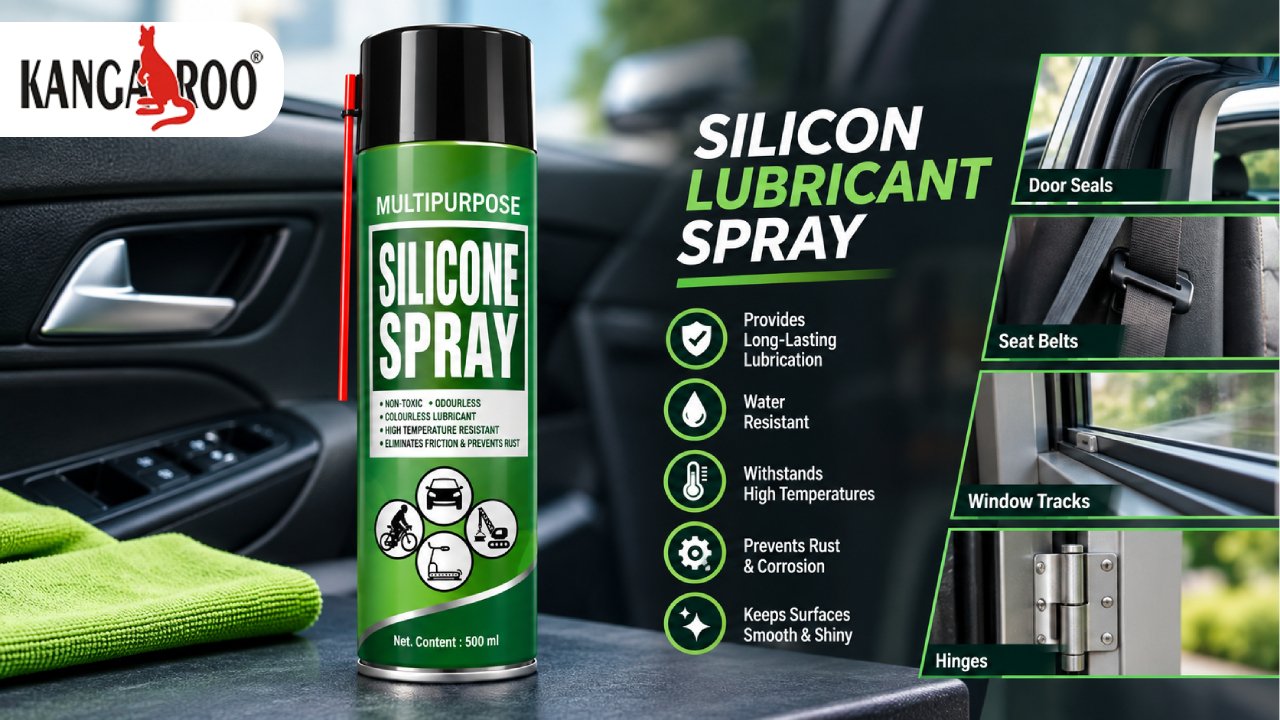
Industrial machinery works in difficult conditions of friction, heat, humidity, and movement which may influence the performance of the machine. Lubricants play an important role in reducing wear and making the process smoother. There are many kinds of lubricants that can be used, but Silicon Lubricants have proven to be useful in various industries.
Understanding Silicon Lubricants
Silicon lubricants are prepared from silicone fluids which act as efficient lubricants under varied conditions. Silicone lubricants are better than traditional mineral lubricants as they resist changes in temperature, oxidation, and moisture effects. These properties make silicone lubricants ideal for use in places where traditional lubricants do not perform well.
Silicon lubricants can be provided in various forms such as oil, grease, paste, or spray form. The industry can choose the right form depending on their machine parts and environment.
Key Benefits in Industrial Operations
Outstanding Thermal Stability
Industrial devices may be subjected to considerable changes in temperature during their operation. Silicone lubricants usually demonstrate excellent thermal stability that helps them perform well at high and low temperatures.
Chemical and Humidity Resistance
Industrial mechanisms are subjected to contact with moisture, humidity, solvents, and other chemicals. Silicone lubricants have an outstanding chemical resistance to moisture and may prevent corrosion on the surface of the mechanisms. High stability of these substances allows using them in the harsh conditions of industrial activity.
Friction Reduction
Continuous movement of mechanical parts causes friction, heat, and wear of elements. Applying proper lubricant between two surfaces reduces friction. That is why silicon lubricants can help improve equipment performance.
Applications Across Different Industries
Automotive and Manufacturing
Silicone lubricants can be employed in the automotive and manufacturing industry for applications involving rubber parts, seals, hinges, bearings, etc., where other petroleum lubricants may not be suitable due to their compatibility with particular types of elastomers.
Electrical and Electronic Components
Electrical systems necessitate the use of lubricants that can operate without interfering with the delicate components of electrical systems. Selected electrical and electronic components utilize silicone-based lubricants due to their moisture protection and insulation properties.
Food Processing and Packaging Machinery
The food-processing equipment used in industries may require special lubricants depending on the operational requirements and regulations. In such cases, if there is an appropriate approved formulation, silicone lubricants can be helpful.
Selection of the Proper Lubricant
The selection of an industrial lubricant should not only depend on its lubrication properties alone. The operating temperature, load, material of components, chemical exposure, application method, and manufacturers’ recommendations should all be taken into account.
Improper use of the formulation will lead to inefficient lubrication, material incompatibility, contamination, and possible equipment damage. Thus, industries should consider the technical specifications of a lubricant before applying it to equipment.
Supporting Long-Term Equipment Performance
Lubrication is an important practice in preventive maintenance. In case the right kind of lubricant is used in the right amounts at the right times, then this can contribute to reduction of friction as well as optimal performance of the equipment and possibly even increased longevity. Silicone Lubricants feature properties that make them applicable to various industrial uses.
With advancement of machinery in industries, reliable lubrication has become very necessary. Through the application of the right silicone lubricant, industries will be able to protect their equipment and prevent excessive wear.